
Barcelona: Olympic nostalgia or renewed hope? by Javier Faus

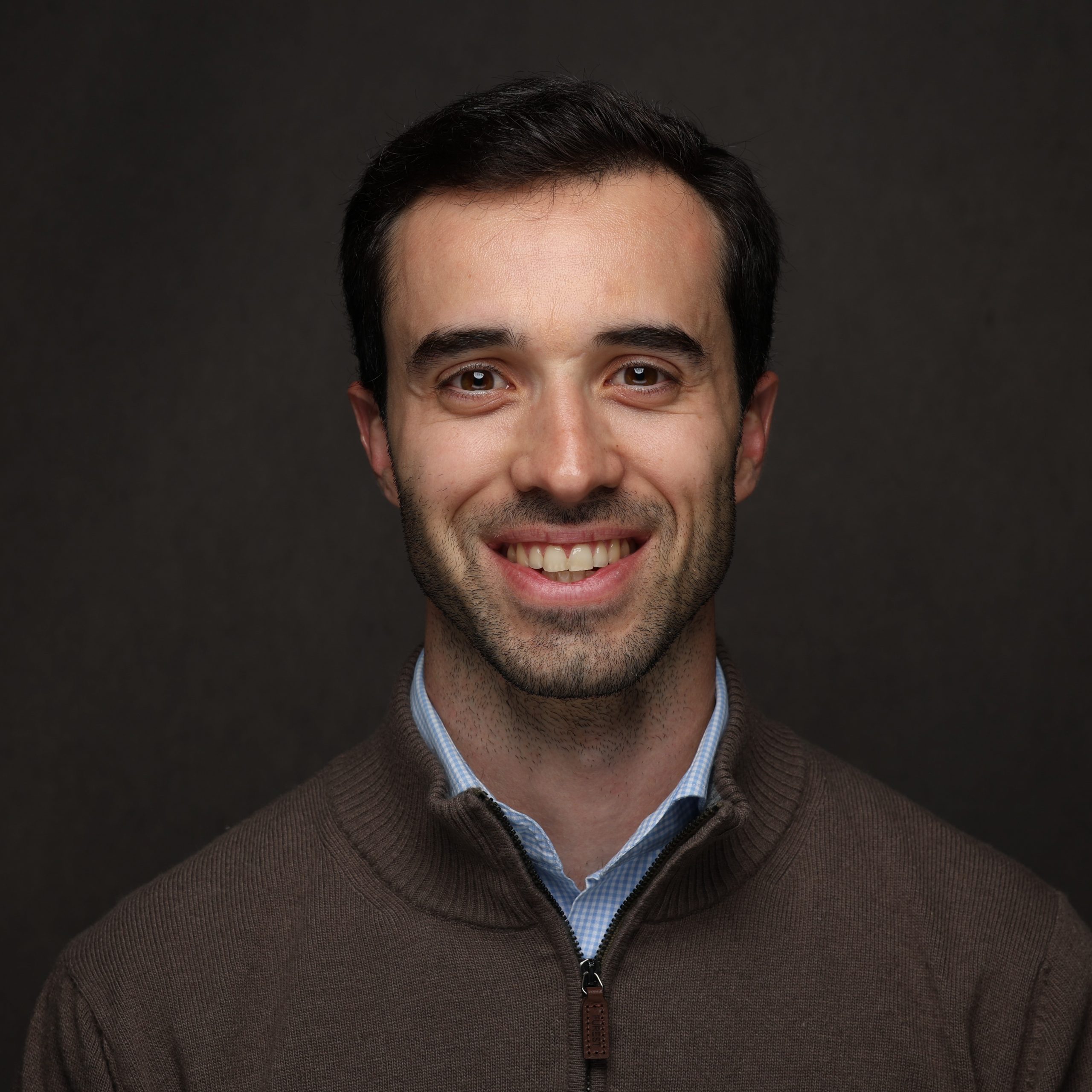
Javier Faus
Business Development a Meridia Capital
Forty years ago, Barcelona was selected to host the 1992 Olympic Games. The official announcement was made by the then-president of the IOC, Joan Antoni Samaranch—a Barcelona native through and through—with the now-legendary words: «À la ville de… Barcelona!». It was a historic turning point. Today, the city is torn between nostalgia for a tournament that took place over 35 years ago and excitement for a renewed sporting future.
Barcelona recognizes that sports are not an end in themselves, but rather a tool for raising the city’s profile and generating economic impact. Beyond one-off events, sports create jobs and wealth: 85,000 direct and indirect jobs, more than 6,000 related businesses, and a 3% contribution to Catalonia’s GDP. There are more than 900 active sports clubs in the city of Barcelona, and 66.7% of its residents participate in sports regularly. Barcelona loves sports, and sports love Barcelona.
The Olympic Ring at Montjuïc
Covering an area of about 400 hectares, the Olympic Ring housed the main sports venues for the 1992 Games. It comprises the Olympic Stadium, the main hub of those Games; the Picornell swimming pools; the Palau Sant Jordi; the Pérez de Rozas baseball field; the National Institute of Physical Education of Catalonia (INEFC); and the Joan Antoni Samaranch Olympic and Sports Museum, among other facilities. All of them are now over 40 years old.
Today, the Olympic Ring has become a place steeped in nostalgia. Although the original intention was to host sporting events on a daily basis, the reality is that the facilities do not live up to that ambition. The facilities have aged and are no longer economically viable for hosting events on a regular basis. It is true that they function as a tourist attraction and host concerts, soccer matches, and visitors, but they fall far short of meeting the current demands of artists, fans, and spectators. Because sports aren’t just consumed on TV or from the couch—they’re also experienced firsthand, and that experience requires infrastructure that’s up to the task.
To address this challenge, it is essential to overcome the bureaucratic barriers that hinder new initiatives. Public-private collaboration must be more visible and decisive, perhaps by recapturing the spirit of 1992, when we were all pulling in the same direction. Sports are not just an event: they are a city strategy. They are one of Barcelona’s fundamental values that must be nurtured and promoted. Therefore, we must strengthen this collaboration to chart a roadmap for the coming decade, with the goal of ensuring that sports improve the quality of life and well-being of those of us who live in Barcelona.
In the summer of 2026, Barcelona will host the start of the Tour de France, one of the most-watched events on the planet. In 2031, it will host the Ryder Cup, one of the most exclusive and high-profile tournaments in world sports. At the same time, the city is working to host the 2029 UEFA Champions League final, the biggest annual event in club soccer. And with the freedom to dream big: why not imagine Barcelona hosting the 2030 FIFA World Cup final? Hosting a World Cup final would be the definitive confirmation of a journey built on vision, ambition, and consistency.
The City Council, the Catalan Government, and the Spanish Government are promoting sports in Barcelona. Now it is up to us, the citizens, not to turn our backs on these events, to understand the benefits of hosting these competitions, and to look beyond the immediate future. Barcelona and its citizens must welcome these events with open arms and be grateful to continue living in a welcoming city, just as we did during the 1992 Barcelona Olympics.
Sports as an economic driver
Los grandes eventos deportivos en Barcelona no solo atraen a cientos de miles de visitantes, incrementando la ocupación hotelera y el consumo local; también generan ingresos directos a través de la venta de entradas, el merchandising y los derechos de retransmisión, además de recaudación fiscal y contribución al PIB. A largo plazo, fomentan empleo e impulsan inversiones en infraestructura que benefician al conjunto de la ciudad. Y más allá de lo económico, consolidar Barcelona como sede de grandes eventos la sitúa en el top of mind worldwide: not only as a destination for sports, culture, and tourism, but also as a hub for business, investment, and talent attraction.
Barcelona in 2046
The need to continue investing in sports infrastructure, development programs, and the promotion of Catalan sports is more urgent than ever. Barcelona has undeniable appeal, but it also suffers from a shortage of adequate facilities. Barcelona doesn’t need to reinvent itself: it needs to remember who it is. The city that in 1992 showed the world that collective ambition can transform a metropolis now has all the ingredients to write a new chapter. The talent is there, the events are there, and the ecosystem is there. What is missing is the will, coordination, and courage to invest in sports for what it truly is: one of Barcelona’s most powerful strategic assets.
The next Olympic legacy doesn't have to come from a single Games. It can be built event by event, infrastructure by infrastructure, and decision by decision. The city deserves it, and sports will repay it many times over.
If you want to know the latest English news about Barcelona and the people who bring it to life, sign up to our Blog.