«Barcelona is establishing itself as a European hub for healthcare, research and innovation», by Sarah Gerbaud
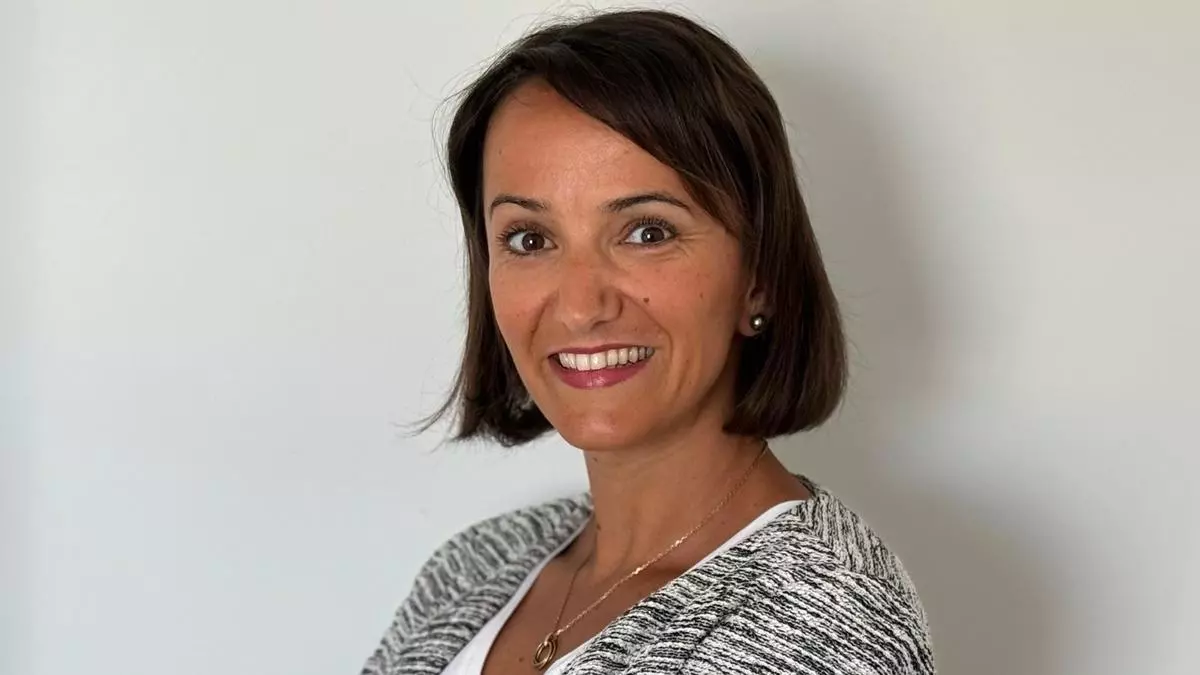
Sarah Gerbaud Chatard is French, 40 years old, married and a mother of two. She has lived in Barcelona for the past five years, following an international career spanning Europe, New Zealand and Mexico. She has more than 20 years of experience in the pharmaceutical and health tech industries. She is currently General Manager for Spain, Portugal and Andorra at SERB Pharmaceuticals, a French company with more than 600 employees specialising in essential medicines for rare diseases, emergency care and medical countermeasures against CBRN (Chemical, Biological, Radiological and Nuclear) threats.
Why did you choose Barcelona?
Barcelona was both a personal and professional choice. Because of my family roots, I have always felt a strong connection to Spain -my grandfather was Spanish- but I was also drawn to the city’s dynamism, as it is establishing itself as a key European hub for healthcare, research and innovation. Twenty years ago, I began my career as a pharmacist at Vall d’Hebron Hospital, one of Europe’s most renowned centres for specialised medicine.
What are the city’s strengths?
Barcelona combines an exceptional quality of life with a rapidly expanding healthcare ecosystem. It is home to leading institutions such as the Barcelona Science Park (PCB) and the new CaixaResearch Institute, the first centre dedicated to immunology in Spain and Portugal. This is complemented by international hubs from companies such as AstraZeneca, Sanofi and Novartis, as well as the growing health tech sector driven by Barcelona Health Hub. For these reasons, we decided to open SERB’s offices in Barcelona.
What aspects of the city must be improved? How?
Access to housing is undoubtedly the main challenge. More and more middle-class families are being pushed out of the city centre. Essential workers -such as nurses, firefighters and teachers- who play a vital role in the city should be prioritised in housing policies.
To achieve this, specific measures are needed to support the middle class, including financial assistance and mechanisms that provide guarantees to property owners. At the same time, it is important to strengthen public safety and improve tax competitiveness to continue attracting talent and investment.
What do you expect from Barcelona in the coming years?
I hope Barcelona will consolidate its position as a major European hub for healthcare and innovation, fostering collaboration between hospitals and public and private research, while continuing to attract talent and investment without losing its social balance. The challenge will be to grow without compromising affordability for families or its identity as an open and diverse city.
Which city do you consider to be your home city? What do you miss most?
Today, Barcelona is my city, also for a very personal reason: my grandfather was a doctor here, where he studied before being forced into exile in France. For me, coming back has a special meaning, almost as if I were coming full circle. Living here is also an opportunity to pass on Spanish and Catalan culture to my children. They attend a local school, allowing them to grow up fully integrated into their surroundings and enriched by this dual culture, which is part of our family history.