
«We are at a time of great scientific maturity, with outstanding talent, research centres and infrastructure» by Caterina Biscari
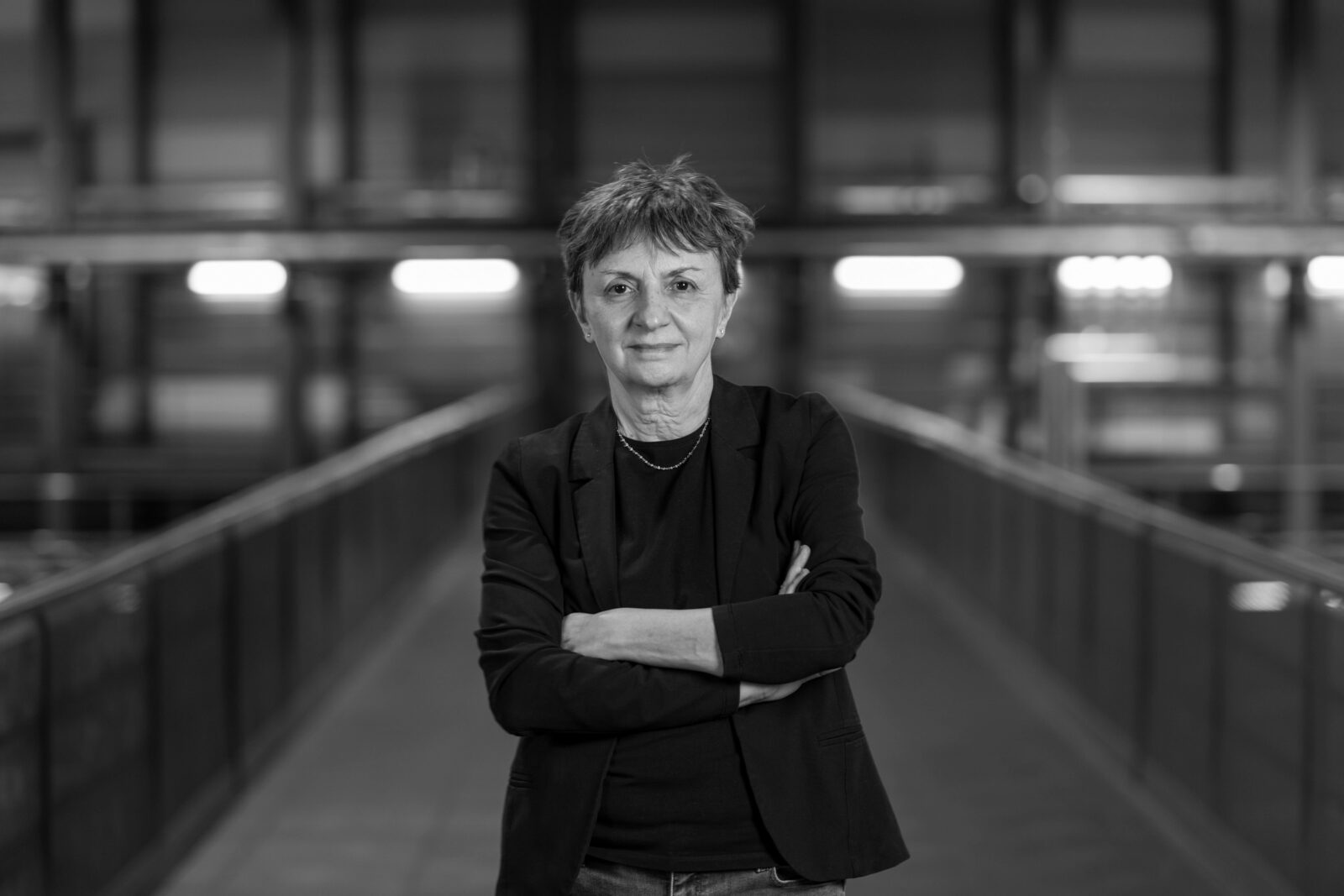
In this interview with In Barcelona, Caterina Biscari talks about science, but above all about the people who make it possible. That is why she sees the Generalitat’s Gold Medal as recognition shared with those who have been part of her journey. As she brings her time at the helm of the ALBA Synchrotron to a close, she reflects on the importance of taking risks, collaborating and not being afraid of major challenges. She also emphasises that talent needs opportunities to grow and a place to build a life. In this conversation, Biscari shares her perspective on the scientific future of Barcelona and Catalonia, as well as the barriers women still face. She does so with the conviction that has guided her leadership: dreaming big while keeping her feet firmly on the ground.
Receiving the Medalla d’Or has been an enormous honour and a deeply moving experience. I see it partly as a personal recognition, but above all as recognition of everyone I have worked with and of the collective effort behind scientific progress. I believe Catalonia has reached a stage of great scientific maturity: we have talent, outstanding research centres and excellent infrastructure. There are still many challenges ahead, but we have a solid foundation and are well prepared to face them.
Barcelona has extraordinary strengths: excellent universities and research centres, major scientific facilities, a highly dynamic research ecosystem and a quality of life that helps attract talent. But attracting talent is not enough: we also need to retain it by offering competitive career opportunities, stability, good working conditions and fewer administrative barriers. International talent chooses places where people can build a life, not just pursue a scientific project. The challenge that remains is to improve working conditions and career development opportunities for staff across the board, including the entire team, not just scientists.
Una gran infraestructura científica nunca es solamente una máquina para hacer ciencia. Genera conocimiento, forma profesionales altamente cualificados, atrae talento e inversión y obliga a las empresas proveedoras a desarrollar tecnologías en la frontera de lo posible. ALBA demuestra que invertir en ciencia avanzada genera también capacidades industriales y competitividad. De hecho, nuestros instrumentos son utilizados por numerosas industrias, nuestros científicos colaboran en proyectos público-privados, y el impacto de nuestras publicaciones va mucho más allá del evidente impacto académico y se refleja en miles de patentes que las citan.
We have made significant progress, but there is still room for growth. Around 40% of the companies that use our facilities are based in Catalonia, so proximity is a clear advantage for the Catalan industrial sector. Industries such as pharmaceuticals, materials, energy, semiconductors and chemicals benefit directly from our highly advanced scientific and technological capabilities. We are working to strengthen the links between science and business and, above all, to create more opportunities and mechanisms for taking risks and developing joint projects, in collaboration with the Catalan and Spanish authorities.
We need to make the boundary between research and innovation more permeable. This means making it easier for people to move between universities, research centres and businesses; providing funding for the riskiest stages of technology transfer; and recognising that innovation also means accepting failure. It is not about expecting every scientist to start a company, but about building an ecosystem capable of identifying a promising idea and supporting its development until it can create value for society.
ALBA II represents ALBA’s greatest scientific opportunity since its construction. It will allow us to study matter with levels of resolution, coherence and sensitivity that are currently unattainable, and to answer questions we do not yet even know how to formulate across all the fields in which we contribute, from health and new materials to energy and quantum technologies. But its impact goes beyond ALBA itself: it will help consolidate Barcelona and Catalonia’s position as one of Southern Europe’s leading scientific and technological hubs for decades to come.
The situation has changed enormously since I began my career, but we still see the number of women decrease as we move into positions of greater responsibility. Many barriers are no longer explicit: they lie in biases, expectations, leadership models and the difficulty of balancing professional and personal commitments at certain stages of life. We need genuine equality of opportunity, but also role models: you need to be able to see yourself in a position before you can aspire to it. And we must continue making progress towards gender equality in every respect, without slipping back into the attitudes of the past.
I hope my leadership leaves behind a message of never being afraid, of taking risks, tackling challenges that initially seem impossible, dreaming big while keeping our feet firmly on the ground, and continuing to build collaborations at every level so that ALBA remains a resource for everyone. In this sense, ALBA II is an investment in the future that goes beyond any individual leader. For Barcelona and Catalonia, I would wish for that same ambition: not settling for being good, but daring to compete with the best places in the world for scientific research, innovation and educating future generations.