Barcelona y el emprendimiento: consolidar hoy el ecosistema que definirá la ciudad de mañana, por Javier Ferrer
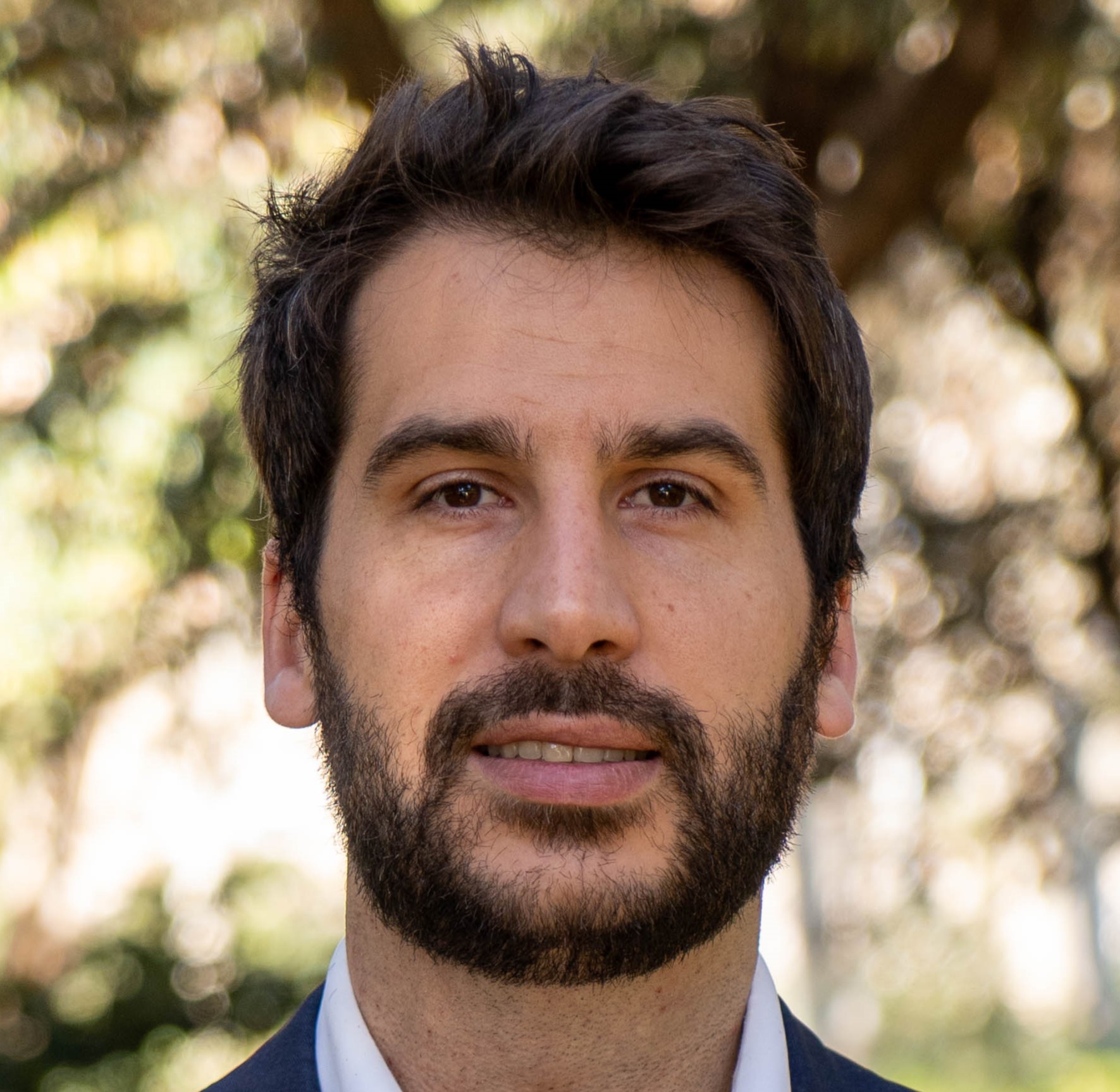
Javier Ferrer Muro
Managing Partner at CALIU
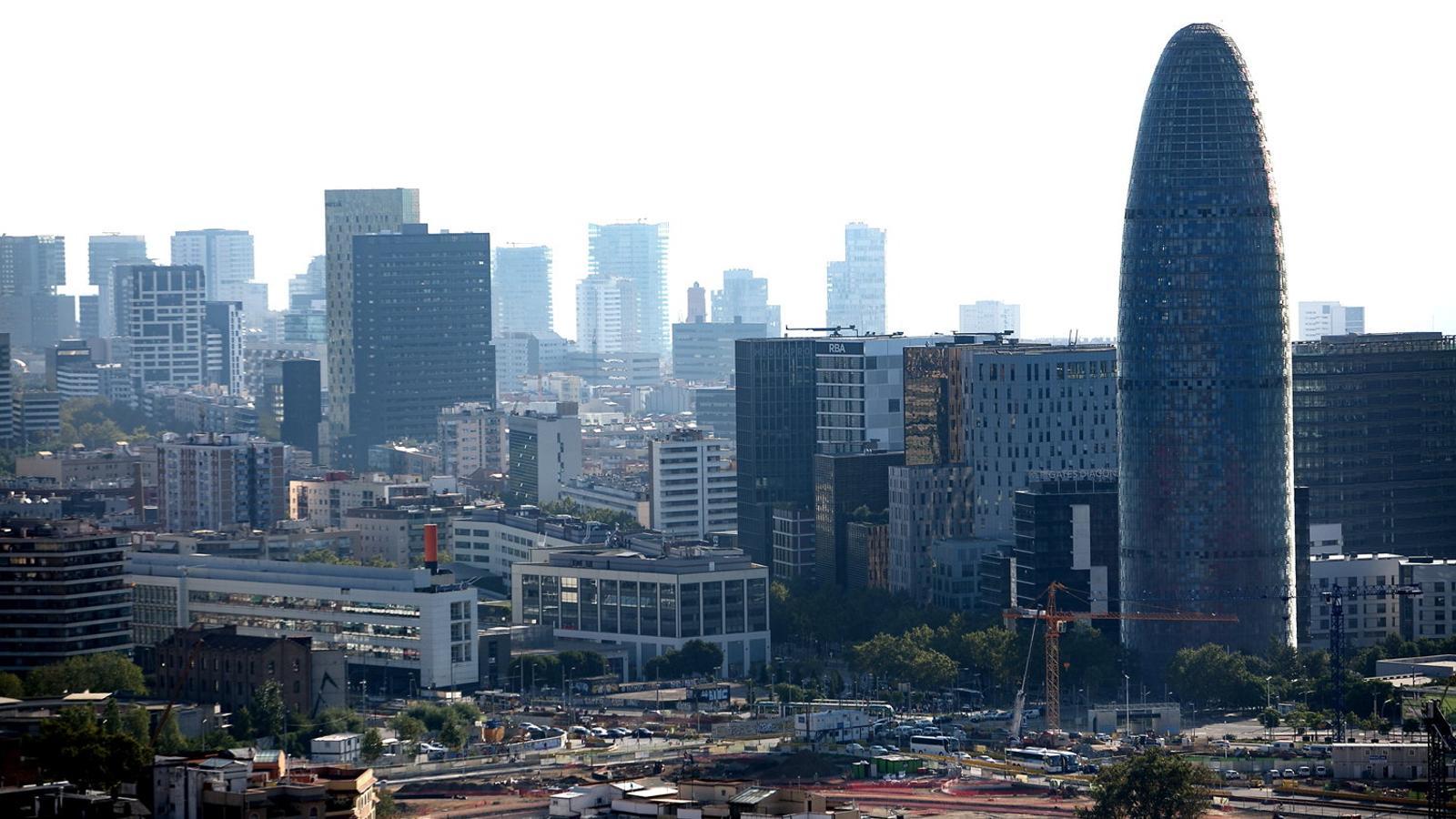
Over the last decade, Barcelona has gone from being an attractive city for entrepreneurship to becoming a recognizable ecosystem on the global innovation map. In 2025, entrepreneurship no longer acts as a peripheral phenomenon or as a sum of isolated initiatives, but as a economic and social infrastructure integrated into the functioning of the cityThe question is no longer whether Barcelona can compete, but rather which league it wants to play in and with what model.
The figures show an ecosystem that has reached critical mass. The Barcelona metropolitan area accounts for more than 24000 active startups, generates tens of thousands of skilled jobs and attracts nearly half of Spain's venture capital investmentIn the main international rankings, Barcelona remains stable among the Top 35 startup hubs in the world, a position comparable to cities such as Stockholm or Munich, and clearly ahead of other emerging hubs in southern Europe such as Lisbon or Milan.
This positioning has a distinguishing feature: Barcelona does not compete on pure capital volume, like London or Paris, nor on financial hyper-specialization, like Amsterdam. It competes from a balanced combination of talent, urban quality, sector diversity, and relative cost, making it a particularly attractive city for early-stage and mid-growth projects. In terms of cost of living and business establishment, Barcelona remains between 20% and 30% more affordable than the major hubs of northern Europe, without compromising on connectivity or international reach.
One of the most significant changes in the ecosystem in recent years is the shift in focus: from “creating startups” to make them growBarcelona has left behind the stage where it measured its success solely in terms of the number of projects and is beginning to evaluate its competitiveness in terms of scalability, business retention, and the ability to generate medium and large companies. In this regard, there is still room for improvement compared to hubs such as Berlin or Paris, where the leap from startup to scaleup is more structured, but the gap is narrowing.
Barcelona's entrepreneurial fabric is also characterized by a growing sectorial diversificationAlongside software and digital platforms, areas such as health, biotechnology, energy, urban mobility, design, and the creative economy are gaining importance. This diversity is not only an economic advantage but also a strategic strength: it connects entrepreneurship with major urban and social challenges and reduces dependence on specific technological cycles.
This evolution raises a fundamental question: what kind of city does entrepreneurship need in order to consolidate itself? The ecosystem is no longer limited to incubators or technology hubs, but also includes access to housing, metropolitan mobility, the availability of productive spaces, and the city's ability to absorb growth without losing cohesion. In this sense, Barcelona faces a challenge shared with other European hubs: how to integrate economic dynamism without straining the urban balance.
The international comparison is clear. Cities such as London and Paris have opted for models of high concentration and strong polarization, while others such as Copenhagen and Vienna are moving towards more distributed and livable schemes. Barcelona finds itself somewhere in between, with the opportunity to build its own model that combines economic ambition and quality of life, provided that urban, economic, and talent policies advance in a coordinated manner.
Looking ahead to 2046, the success of entrepreneurship in Barcelona will depend less on attracting more projects and more on making structural decisions: simplify administrative frameworks, strengthen the connection between universities and businesses, facilitate access to international talent and, above all, recognize that entrepreneurship is not a sector, but rather a cross-cutting lever for the city. A lever that impacts how we work, how we live and how Barcelona is projected to the world.
Barcelona has moved beyond the promise phase. Today, it is a recognized ecosystem with solid assets and real room for growth. The challenge now is to decide how it wants to remain in it. And that decision, rather than being technological or financial, is deeply urban and strategic; to become a competitive, inclusive, and sustainable city.
If you want to know the latest English news about Barcelona and the people who bring it to life, sign up to our Blog.