
“UNIVERSITIES AND STUDENTS: THE CORNERSTONES OF R&D” by Sergi Aliaga

Sergi Aliaga
Engineer and researcher in satellite communications at Northeastern University and intern at NASA JPL
How has New Orleans turned adversity into a culture of openness?
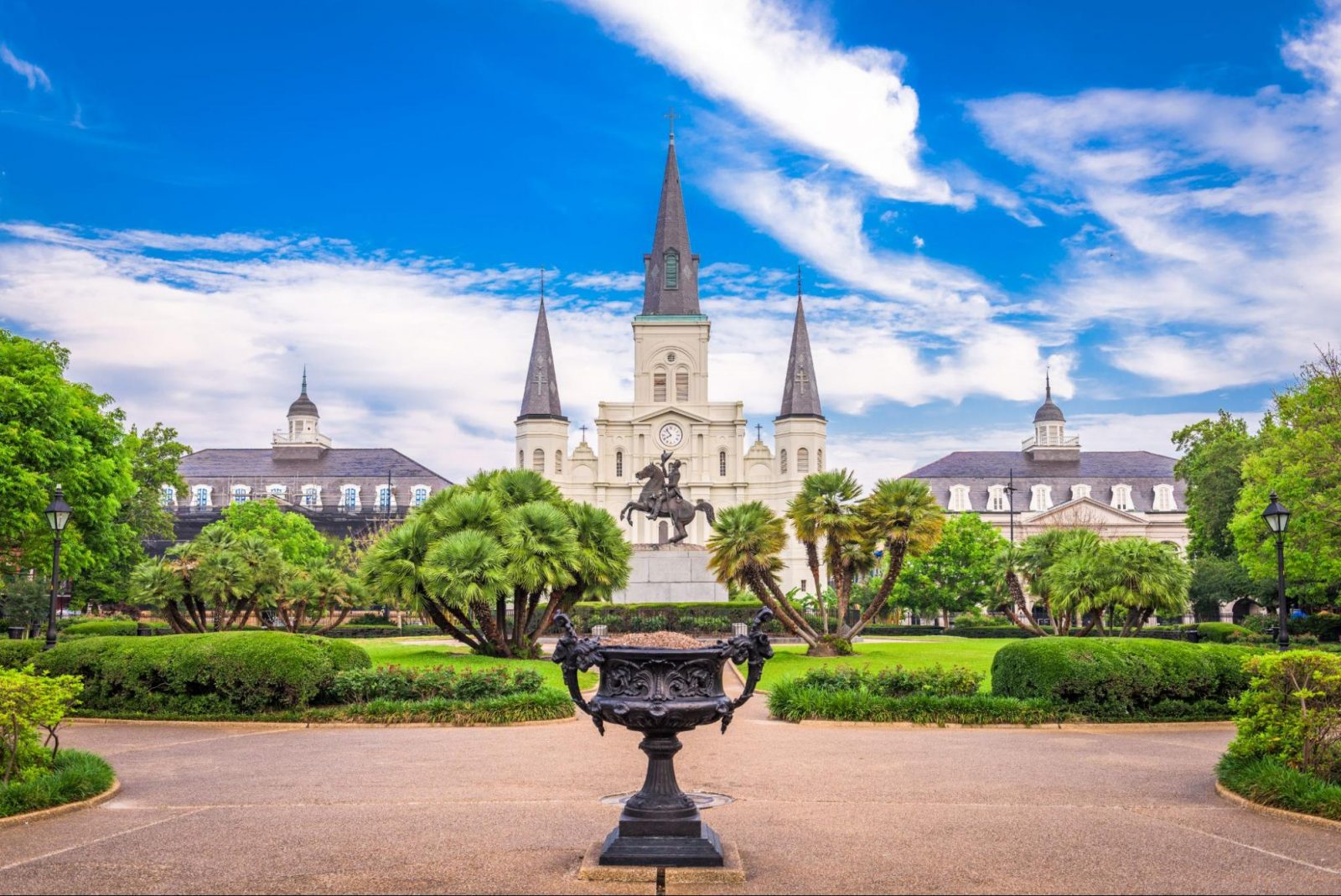
New Orleans faces challenges that Barcelona can scarcely imagine: devastating hurricanes, high crime rates, outdated infrastructure—much of it built below sea level on unstable ground—and a population that has yet to return to pre-Katrina levels. Yet it survives with joy and dignity against all odds. When a hurricane strikes, they throw hurricane parties. When the streets have giant potholes, neighbors place floral arrangements inside them. When the streets flood, they bring out kayaks to help each other. This resilience creates something extraordinary: visitors end up falling in love with the city and become ambassadors. The brand impact is invaluable and generates enormous local financial benefits. I lived in Barcelona for a few years and watch with sadness as it becomes less friendly and more polarized: “us against them.” In New Orleans, that would be unthinkable. It’s a vibrant city where you can experience the distinct yet harmonious tapestry of French, Spanish, Caribbean, and African cultures, which remain alive and well. Mardi Gras and the Jazz Fest are cultural gifts open to the world. There’s no division between locals and visitors. It’s a thriving city because it embraces everyone who comes. A living culture grows stronger by being shared.
What lessons can we learn from this that we can apply in Barcelona?
Two summers ago, an anti-tourism activist in Barcelona sprayed me with a water gun while shouting “tourist go home.” He was Dutch and had been living in Barcelona for a few weeks. My paternal grandparents were immigrants from Spain to Mexico, as was my mother. I was an immigrant from Mexico to the United States, then to Spain, and back to the United States. And that’s why I know that immigration works through mutual respect and integration. Blaming tourists for overtourism is an easy and cheap cop-out, rather than seeking smart public-private partnerships that offer innovative solutions. Polarization creates artificial divisions in a city that has always been cosmopolitan. Hostility comes at a cost: other cities think, “We’ll welcome the visitors that Barcelona turns away.” Fortunately, there are brilliant counterexamples. Barcelona Global and Tech Barcelona are doing exceptional work, attracting global talent and demonstrating that openness generates shared prosperity. But openness does not mean unlimited tolerance. Visitors and new residents must respect local customs, not impose their own. The real problem is not too many visitors, but a lack of imagination in integrating them constructively.
If you want to know the latest English news about Barcelona and the people who bring it to life, sign up to our Blog.